The Rise of Streaming Platforms in Entertainment
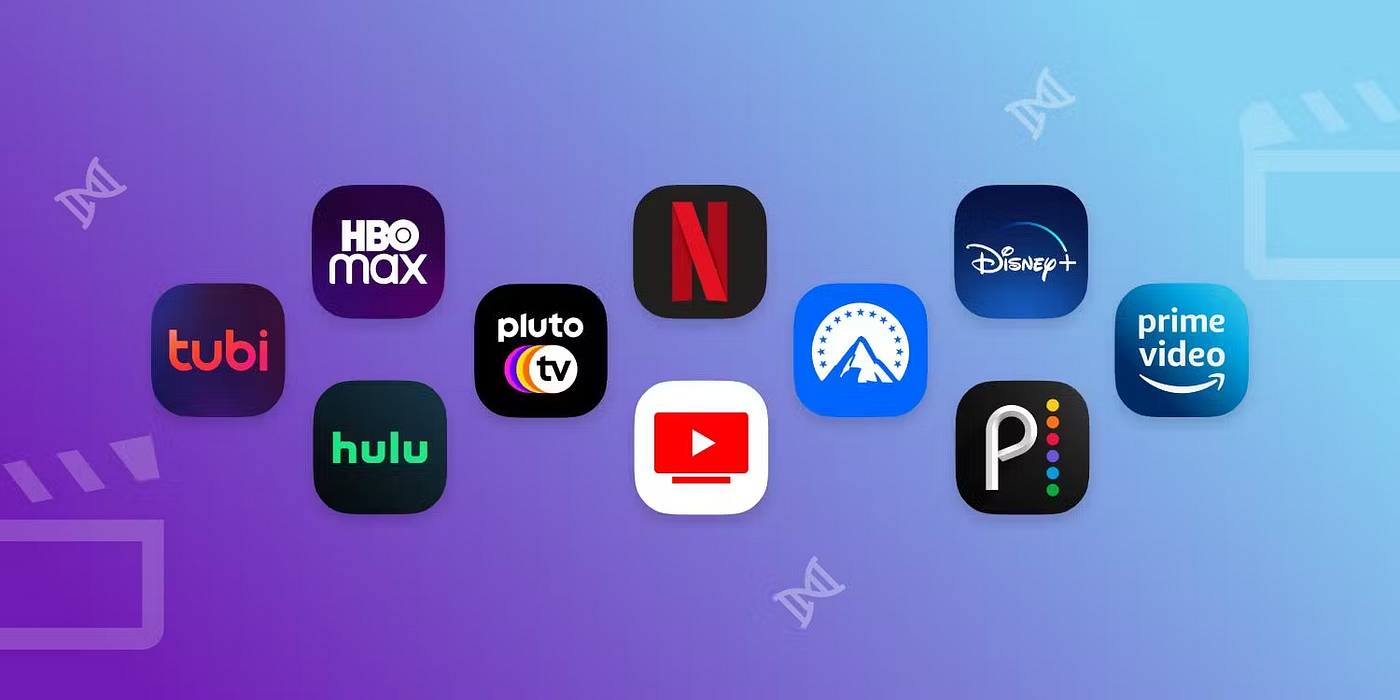
The Transformation of Entertainment in the Digital Age
The entertainment industry has undergone a remarkable transformation in the past two decades. Advances in internet technology, mobile devices, and digital media have reshaped how audiences consume films, television shows, music, and other forms of entertainment. One of the most significant developments in this transformation has been the rise of streaming platforms. These platforms allow users to watch or listen to content instantly over the internet without the need for physical media or traditional broadcast schedules.
Streaming services have become a central part of modern entertainment culture. Millions of people around the world rely on streaming platforms to access movies, television series, documentaries, music, and live events. The convenience, affordability, and vast content libraries offered by these services have revolutionized the way audiences interact with media.
The Early Development of Streaming Technology
From Physical Media to Digital Delivery
Before streaming became popular, entertainment was primarily distributed through physical formats such as DVDs, CDs, and video tapes. Consumers had to purchase or rent these physical products to watch films or listen to music. This method of distribution limited access and required physical storage.
The introduction of digital media began to change this landscape. As internet speeds improved and data compression technologies advanced, it became possible to transmit large media files online. Early digital downloads allowed users to purchase and store media on their devices, but downloading still required time and storage space.
Streaming technology introduced a new approach by allowing media to be played instantly while it was being transmitted over the internet. Instead of waiting for a full download, users could begin watching or listening to content immediately.
The Role of Broadband Internet
The growth of streaming platforms was closely linked to the expansion of broadband internet. Faster internet connections made it possible to deliver high-quality audio and video content to users around the world. As broadband networks expanded and mobile data services improved, streaming became accessible to larger audiences.
Advances in cloud computing and content delivery networks also improved streaming performance by distributing data efficiently across global servers. These technologies ensured smooth playback and reduced buffering issues for viewers.
The Expansion of Streaming Platforms
The Emergence of Subscription-Based Services
Streaming platforms began to gain widespread popularity when companies introduced subscription-based models that offered unlimited access to large content libraries. Instead of paying for individual movies or albums, users could subscribe to a service and explore a wide variety of content for a monthly fee.
This subscription model appealed to audiences because it provided flexibility and value. Viewers could watch multiple shows, explore new genres, and discover new creators without additional costs for each title.
The Growth of Original Content
As competition among streaming platforms increased, many companies began investing in original productions. Exclusive movies, television series, and documentaries became a major strategy for attracting and retaining subscribers.
Original programming allowed streaming services to develop unique identities and differentiate themselves from traditional broadcasters. High-quality productions with strong storytelling and cinematic production values helped streaming platforms gain credibility within the entertainment industry.
Changing Audience Viewing Habits
On-Demand Entertainment
One of the biggest changes introduced by streaming platforms is the concept of on-demand entertainment. Traditional television broadcasting followed fixed schedules, requiring viewers to watch programs at specific times. Streaming platforms removed these limitations by allowing audiences to watch content whenever they wanted.
This flexibility has significantly altered viewing habits. People can watch entire seasons of television shows in a single sitting, a practice often referred to as binge-watching. The ability to pause, rewind, and resume content also provides greater control over the viewing experience.
Personalized Recommendations
Streaming platforms use advanced algorithms to analyze user preferences and viewing behavior. Based on this data, the platforms recommend content that matches individual tastes. Personalized recommendation systems help viewers discover new films, shows, and artists that they might not have encountered otherwise.
This personalization enhances user engagement and encourages longer viewing sessions. It also allows streaming services to tailor their content strategies based on audience preferences.
The Impact on the Film and Television Industry
New Opportunities for Filmmakers
Streaming platforms have opened new opportunities for filmmakers, producers, and content creators. Independent creators who may have struggled to secure theatrical distribution can now reach global audiences through digital platforms.
Streaming services often support diverse storytelling and experimental formats that might not fit traditional broadcast models. This has led to greater representation of different cultures, perspectives, and creative voices in the entertainment industry.
Changes in Film Distribution
The traditional film distribution model relied heavily on theatrical releases followed by home video and television broadcasts. Streaming platforms have introduced alternative distribution strategies, including simultaneous digital releases and direct-to-streaming premieres.
These changes have challenged traditional cinema business models and sparked debates about the future of movie theaters. While theaters still offer a unique cinematic experience, streaming has become a powerful competitor in the distribution of films.
The Role of Streaming in Music and Audio Entertainment
Digital Music Streaming
Streaming technology has also revolutionized the music industry. Digital music streaming platforms allow listeners to access millions of songs instantly without purchasing individual albums. Users can create playlists, discover new artists, and share music with friends.
This model has changed how music is consumed and distributed. Artists can release music directly to streaming platforms and reach audiences worldwide without relying solely on physical album sales.
The Rise of Podcasts and Audio Content
In addition to music, streaming platforms have contributed to the growing popularity of podcasts and audio storytelling. Podcasts cover a wide range of topics including education, entertainment, news, technology, and personal development.
Streaming services provide easy access to podcast libraries, allowing listeners to explore different genres and topics. The flexibility of audio streaming makes it possible for people to enjoy content while commuting, exercising, or performing daily activities.
Global Reach and Cultural Influence
International Content Distribution
Streaming platforms have expanded the global reach of entertainment content. Films and television series produced in one country can quickly gain popularity in other regions through digital distribution. Subtitles and dubbing technologies help overcome language barriers and make international content accessible to diverse audiences.
This global distribution has increased cultural exchange and introduced viewers to storytelling traditions from different parts of the world.
The Rise of Global Entertainment Trends
Streaming platforms often create worldwide entertainment trends when popular shows or films capture the attention of international audiences. Social media discussions, fan communities, and online reviews further amplify the popularity of certain titles.
These global trends demonstrate how streaming platforms have connected audiences across continents through shared viewing experiences.
The Economic Impact of Streaming Platforms
Job Creation and Industry Growth
The growth of streaming services has contributed to significant expansion within the entertainment industry. Production companies, studios, technology firms, and creative professionals all benefit from the increased demand for digital content.
Streaming platforms require a wide range of skilled professionals including writers, directors, actors, editors, software engineers, and data analysts. This has created new career opportunities in both the creative and technological sectors.
Investment in Content Production
Streaming companies invest billions of dollars each year in producing original content. Large budgets are allocated to film production, television series development, and documentary projects. These investments support creative industries and encourage innovation in storytelling.
The competition among streaming platforms has led to a surge in high-quality productions, benefiting audiences who now have access to a greater variety of content.
Challenges Facing Streaming Platforms
Market Competition
The rapid growth of streaming services has created intense competition among platforms. Many companies are entering the market, each offering exclusive content and unique features. As the number of platforms increases, consumers may face subscription fatigue as they try to manage multiple services.
This competition also drives innovation as companies seek new ways to attract and retain subscribers.
Content Licensing and Copyright Issues
Streaming platforms must navigate complex licensing agreements and copyright regulations when distributing content. Negotiating rights for films, music, and television shows can be expensive and legally challenging.
As streaming expands globally, companies must also comply with different regulatory requirements in various countries.
The Future of Streaming Entertainment
Technological Innovations
Future developments in streaming technology are expected to enhance the viewing experience even further. Improvements in video resolution, virtual reality integration, and interactive storytelling could transform how audiences engage with entertainment.
Artificial intelligence may also play a larger role in content recommendations, production planning, and audience analysis.
Continued Evolution of Digital Entertainment
The rise of streaming platforms represents a fundamental shift in the entertainment industry. As technology continues to evolve and consumer preferences change, streaming services will likely remain at the center of global media consumption.
By combining convenience, accessibility, and diverse content, streaming platforms have reshaped how people experience entertainment in the modern world.