The Impact of Digital Art on Creative Industries
Introduction to Digital Art and Its Growing Influence
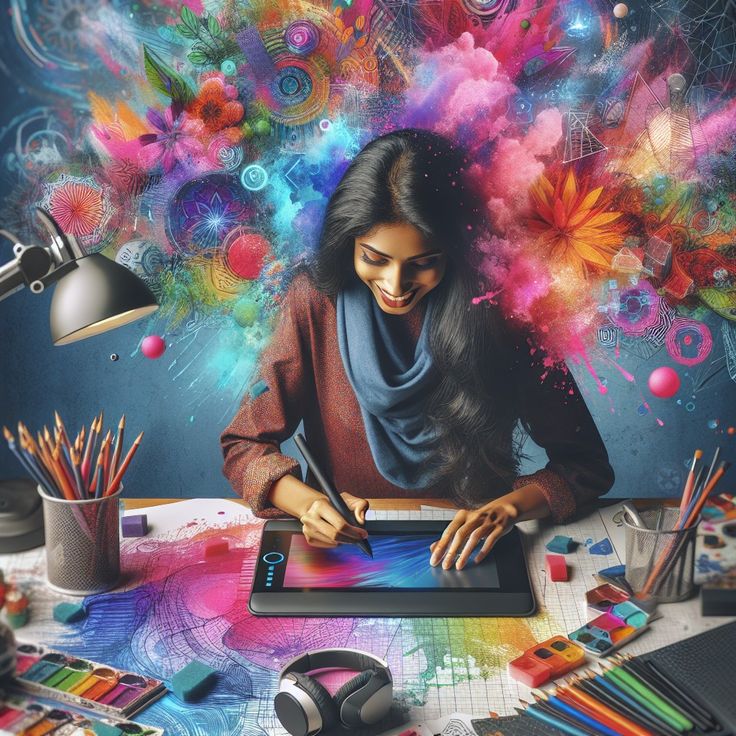
Digital art has emerged as one of the most transformative developments in the creative world over the past few decades. With the rapid advancement of technology, artists now have access to powerful tools that allow them to create, edit, and distribute artwork in ways that were once unimaginable. Digital art refers to any artistic work that uses digital technology as part of the creative or presentation process. It can include illustrations, animations, graphic designs, 3D models, digital paintings, and multimedia installations.
The rise of digital art has significantly impacted various creative industries, including film, gaming, advertising, publishing, fashion, architecture, and entertainment. Artists and designers now rely on digital tools to enhance creativity, streamline workflows, and produce visually stunning content for global audiences. The accessibility and flexibility of digital platforms have democratized artistic creation, enabling more individuals to explore and share their creative talents.
As technology continues to evolve, digital art is becoming increasingly central to how creative industries operate. From immersive virtual worlds to cutting-edge visual effects, digital art is shaping the future of artistic expression and redefining the boundaries of creativity.
The Evolution of Digital Art
Early Experiments with Computer Graphics
The origins of digital art can be traced back to the mid-twentieth century when scientists and engineers began experimenting with computer-generated imagery. Early computers were limited in their ability to produce visual content, but researchers quickly recognized the potential of computers as creative tools.
During the 1960s and 1970s, artists began collaborating with programmers to create experimental digital artworks. These early works often consisted of geometric patterns, abstract designs, and algorithm-generated images. Although the technology was primitive compared to modern standards, these pioneering efforts laid the foundation for the development of digital art.
The Rise of Personal Computers and Graphic Software
The introduction of personal computers in the 1980s revolutionized digital art by making digital tools accessible to a wider audience. Graphic design software allowed artists to create illustrations, edit photographs, and experiment with digital painting techniques. Programs designed for creative professionals opened new possibilities for artistic exploration.
As software capabilities improved, digital artists were able to create more sophisticated visuals with greater control over color, texture, and composition. This technological progress significantly expanded the role of digital art in professional industries.
Digital Art in the Film and Entertainment Industry
Visual Effects and Computer-Generated Imagery
The film industry has experienced one of the most dramatic transformations due to digital art. Visual effects and computer-generated imagery have become essential components of modern filmmaking. Digital artists create complex scenes, characters, and environments that would be impossible to achieve using traditional filmmaking techniques.
From fantastical creatures to large-scale battle sequences, digital art enables filmmakers to bring imaginative stories to life. Visual effects studios employ teams of digital artists who specialize in animation, modeling, lighting, and compositing to produce breathtaking cinematic experiences.
Animation and Digital Storytelling
Digital art has also revolutionized the animation industry. Traditional hand-drawn animation has largely been replaced or supplemented by digital techniques that allow animators to create smoother movements, intricate details, and dynamic environments. Digital animation software enables artists to experiment with new styles and storytelling approaches.
Animated films, television series, and online content rely heavily on digital art to create compelling characters and immersive narratives. The accessibility of digital animation tools has also empowered independent creators to produce high-quality content without the need for large studios.
Influence on the Video Game Industry
Creating Immersive Virtual Worlds
The video game industry depends heavily on digital art to design characters, environments, and interactive experiences. Game artists use advanced digital tools to create detailed landscapes, realistic textures, and imaginative worlds that players can explore.
Concept artists play a crucial role in visualizing the aesthetic direction of video games. Their digital sketches and illustrations guide the development of characters, costumes, and environments. These designs are then translated into three-dimensional models that form the visual foundation of the game.
3D Modeling and Game Design
Three-dimensional modeling is a fundamental aspect of digital art in the gaming industry. Artists create digital models of characters, objects, and environments that interact within the game world. These models are animated and integrated into game engines to create interactive gameplay experiences.
The integration of digital art and programming has enabled developers to produce increasingly realistic and visually stunning games. As gaming technology continues to evolve, digital artists remain at the forefront of shaping interactive entertainment.
Digital Art in Advertising and Marketing
Visual Branding and Graphic Design
Advertising and marketing industries rely heavily on digital art to create compelling visual content. Graphic designers use digital tools to develop brand identities, logos, promotional materials, and advertising campaigns. Digital design allows companies to produce visually consistent branding across various platforms, including websites, social media, print media, and digital advertisements.
Effective visual design plays a critical role in capturing consumer attention and communicating brand messages. Digital art enables marketers to experiment with creative layouts, typography, and color schemes that resonate with target audiences.
Social Media and Digital Campaigns
The rise of social media has further increased the demand for digital art in marketing. Businesses use digital illustrations, animations, and graphics to engage online audiences and promote products or services. Eye-catching visuals are essential for attracting attention in the fast-paced environment of social media platforms.
Digital artists contribute to the creation of viral marketing campaigns, interactive content, and visually appealing advertisements that enhance brand visibility and audience engagement.
Impact on Publishing and Media
Digital Illustration and Editorial Design
The publishing industry has embraced digital art for book illustrations, magazine layouts, and editorial graphics. Digital illustration allows artists to produce vibrant and detailed images that complement written content. Publishers can easily edit, adjust, and reproduce digital artwork across multiple formats.
Digital tools have streamlined the design process, enabling editors and designers to collaborate more efficiently. As a result, digital art has become an integral part of modern publishing.
E-books and Interactive Media
The emergence of e-books and digital media platforms has expanded the role of digital art in storytelling. Interactive illustrations, animations, and multimedia elements enhance the reading experience and provide new ways for audiences to engage with content.
Digital art allows creators to combine visual and textual elements in innovative ways, transforming traditional publishing into a more immersive and interactive medium.
Digital Art in Fashion and Product Design
Virtual Fashion Design
The fashion industry has adopted digital art for designing clothing, accessories, and textiles. Designers use digital illustration software to sketch concepts, experiment with patterns, and visualize garments before producing physical prototypes. This process saves time and resources while allowing designers to refine their ideas more efficiently.
Digital fashion design also supports sustainable practices by reducing the need for physical samples and minimizing material waste during the design phase.
Product Visualization and Prototyping
Digital art tools are widely used in product design to create realistic visualizations and prototypes. Designers can build detailed three-dimensional models of products, allowing them to test functionality and aesthetics before manufacturing begins.
This digital approach improves product development by identifying design improvements early in the process and reducing production costs.
The Role of Digital Art in Education and Creativity
Learning Opportunities for Artists
Digital art has expanded educational opportunities for aspiring artists. Online tutorials, digital courses, and creative communities provide access to learning resources that help individuals develop artistic skills. Students can practice digital illustration, animation, and design using widely available software and hardware.
Educational institutions also incorporate digital art into art and design programs, preparing students for careers in creative industries.
Encouraging Creative Experimentation
One of the greatest advantages of digital art is the ability to experiment without the limitations of traditional materials. Artists can easily undo mistakes, try different color combinations, and explore various artistic styles. This flexibility encourages creative experimentation and innovation.
Digital tools allow artists to combine photography, painting, animation, and graphic design into unique multimedia artworks.
Economic Impact on Creative Industries
New Career Opportunities
The growth of digital art has created numerous career opportunities in creative industries. Digital artists can work in fields such as animation, game design, advertising, film production, web design, and digital marketing. Freelance platforms and online marketplaces also allow artists to sell their work globally.
This expanding digital economy has transformed the traditional art market by connecting creators directly with audiences and clients.
Creative Entrepreneurship
Digital platforms have empowered artists to become independent entrepreneurs. Artists can sell digital illustrations, stock graphics, NFTs, and design services online. Social media and portfolio websites enable artists to showcase their work and attract clients from around the world.
The ability to distribute artwork digitally has reduced barriers to entry in creative industries and enabled more individuals to pursue careers in art and design.
The Future of Digital Art in Creative Industries
Artificial Intelligence and Generative Art
Emerging technologies such as artificial intelligence are beginning to influence digital art creation. AI-powered tools can generate images, assist with design tasks, and inspire new artistic ideas. While these technologies raise questions about authorship and originality, they also open new possibilities for creative collaboration between humans and machines.
Artists are increasingly experimenting with generative art, where algorithms produce unique visual compositions based on programmed instructions.
Virtual Reality and Immersive Experiences
Virtual reality and augmented reality technologies are expanding the boundaries of digital art. Artists can now create immersive environments where viewers interact with digital artworks in three-dimensional spaces. These experiences blend art, technology, and storytelling to produce entirely new forms of creative expression.
Creative industries are exploring how immersive digital art can enhance entertainment, education, and cultural experiences.