The History of Cinema and Film Making
The Origins of Motion Pictures
The history of cinema and film making is one of the most fascinating stories in the development of modern entertainment and visual storytelling. From simple experiments with moving images to today’s massive global film industry, cinema has evolved dramatically over more than a century. It combines technology, art, storytelling, music, acting, and visual design to create immersive experiences for audiences around the world.
The earliest foundations of cinema were built upon humanity’s long-standing fascination with motion and visual illusion. For centuries, inventors and artists experimented with ways to capture movement and create images that appeared to come alive. Devices such as magic lanterns, shadow plays, and optical toys helped people understand how sequences of images could create the illusion of motion.
By the late nineteenth century, advances in photography and mechanical engineering allowed inventors to capture and project moving images. These developments marked the birth of cinema as a new art form and technological achievement.
Early Experiments with Moving Images
Optical Toys and Pre-Cinema Devices
Before the invention of film cameras, several devices helped demonstrate how motion could be simulated through rapidly changing images. Optical toys such as the thaumatrope, phenakistoscope, and zoetrope used spinning discs or rotating drums to display sequences of drawings that appeared to move.
These devices fascinated audiences and demonstrated the principle of persistence of vision, a phenomenon where the human eye retains an image for a brief moment after it disappears. When images are displayed quickly in succession, the brain perceives continuous motion rather than separate pictures.
These early inventions laid the conceptual groundwork for the development of cinema by showing that motion could be recreated through sequences of still images.
The Development of Motion Photography
The next major step toward cinema came with the invention of photography in the nineteenth century. Photographers began experimenting with ways to capture motion through sequential photographs. One famous experiment involved photographing animals and human movement to study how bodies move through time.
These early motion studies revealed that multiple images taken rapidly could capture movement frame by frame. This discovery became the foundation for motion picture technology.
The Birth of Cinema
The First Motion Picture Cameras
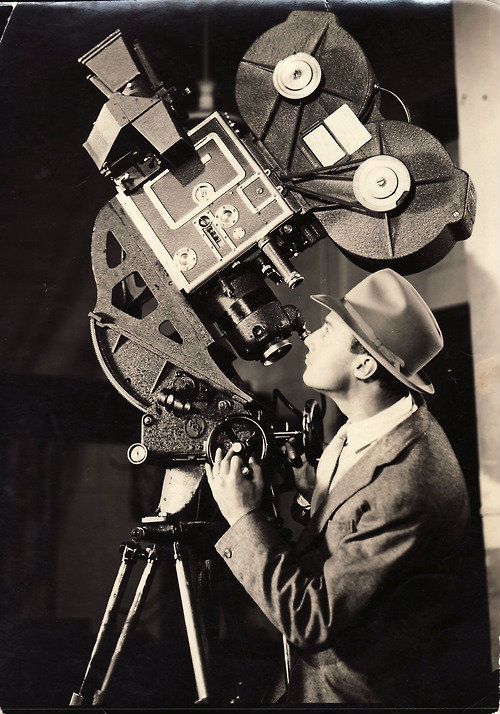
During the 1890s, inventors in several countries began developing machines capable of recording and projecting moving images. These early cameras used photographic film strips that passed through mechanical devices to capture images in rapid succession.
Once these images were projected onto a screen at high speed, they created the illusion of continuous motion. This invention marked the true beginning of cinema as a form of entertainment and storytelling.
The First Public Film Screenings
The late nineteenth century witnessed the first public screenings of motion pictures. Short films were shown to audiences in theaters, fairs, and exhibition halls. These early films were typically only a few seconds or minutes long and often depicted everyday scenes such as people walking, trains arriving at stations, or workers leaving factories.
Although simple by modern standards, these early screenings amazed audiences who had never seen moving photographic images before. Cinema quickly gained popularity as a new form of entertainment.
The Silent Film Era
Storytelling Without Sound
The silent film era dominated the early decades of cinema, roughly from the 1890s until the late 1920s. During this period, films did not include synchronized recorded sound or spoken dialogue. Instead, stories were conveyed through visual action, facial expressions, gestures, and written intertitles displayed between scenes.
Actors in silent films relied heavily on exaggerated expressions and body language to communicate emotions and narrative details. Music was often performed live in theaters by pianists or small orchestras to enhance the viewing experience.
Despite the lack of spoken dialogue, silent films developed sophisticated storytelling techniques and established many cinematic traditions still used today.
The Rise of Film Studios
As cinema gained popularity, film production became more organized and professional. Film studios were established to manage production, distribution, and exhibition of movies. These studios employed directors, actors, writers, set designers, and technicians who collaborated to produce films efficiently.
The studio system played a major role in shaping the early film industry. It allowed filmmakers to produce movies on a larger scale and reach wider audiences.
The Introduction of Sound in Cinema
The Birth of “Talkies”
The late 1920s brought one of the most revolutionary changes in the history of cinema: the introduction of synchronized sound. Early sound films, often called “talkies,” allowed audiences to hear dialogue, music, and sound effects directly from the film.
This technological breakthrough transformed film making. Actors could now speak on screen, and filmmakers could incorporate complex sound design into their storytelling.
The transition from silent films to sound films required new equipment, soundproof studios, and changes in acting styles. Many actors had to adapt to speaking roles, and filmmakers learned new techniques for recording audio.
Impact on Film Production
The arrival of sound changed the structure of film production dramatically. Scripts became more dialogue-driven, and filmmakers began experimenting with musical films, dramatic dialogue scenes, and sound effects.
The success of sound films quickly made silent films obsolete, marking the beginning of a new era in cinematic storytelling.
The Golden Age of Cinema
The Expansion of the Film Industry
The 1930s and 1940s are often considered the golden age of cinema. During this time, the film industry experienced rapid growth, particularly in major film-producing countries. Large studios produced hundreds of films each year, covering a wide variety of genres including romance, comedy, adventure, and drama.
Movie theaters became central entertainment venues in cities and towns around the world. People gathered regularly to watch films, making cinema one of the most popular cultural activities of the twentieth century.
The Emergence of Film Genres
During this period, filmmakers began developing recognizable film genres. Genres such as westerns, musicals, crime dramas, and romantic comedies gained widespread popularity. Each genre had its own storytelling conventions, visual styles, and audience expectations.
The development of genres allowed filmmakers to experiment with different types of stories while providing audiences with familiar entertainment experiences.
The Introduction of Color Films
Early Color Experiments
Early films were originally produced in black and white, but filmmakers soon began experimenting with color processes. Some early films were hand-colored frame by frame, while others used chemical tinting techniques to add color tones.
These methods were labor-intensive and limited in effectiveness, but they demonstrated the potential for color cinema.
The Development of Modern Color Technology
By the mid-twentieth century, improved color film technologies allowed filmmakers to produce vibrant, full-color movies. Color cinema enhanced visual storytelling by allowing directors to use color symbolism, elaborate costumes, and detailed set designs.
The widespread adoption of color films added a new level of artistic creativity to filmmaking.
International Cinema and Global Influence
The Rise of Film Industries Worldwide
Although early cinema was heavily concentrated in certain countries, film industries eventually developed around the world. Many nations began producing their own films reflecting local cultures, traditions, and social issues.
International cinema introduced diverse storytelling styles, artistic movements, and cinematic innovations that enriched the global film landscape.
Film Festivals and Cultural Exchange
International film festivals played an important role in promoting global cinema. These events provided platforms for filmmakers to showcase their work and share ideas across cultures.
Film festivals helped introduce audiences to new cinematic voices and encouraged collaboration between filmmakers from different countries.
Technological Advances in Film Making
Special Effects and Visual Innovation
As technology advanced, filmmakers gained access to new tools for creating special effects and imaginative visuals. Early effects were achieved through practical techniques such as miniature models, stop-motion animation, and camera tricks.
Later developments introduced computer-generated imagery, which allowed filmmakers to create complex visual scenes that were previously impossible to achieve.
Digital Film Production
The transition from traditional film cameras to digital technology marked another major milestone in cinema history. Digital cameras allow filmmakers to record high-quality footage without physical film reels.
Digital editing software also simplified the post-production process, enabling editors to manipulate footage, add visual effects, and adjust sound more efficiently.
The Influence of Cinema on Society
Cinema as Cultural Expression
Films often reflect the social values, cultural traditions, and political concerns of the societies that produce them. Through storytelling, cinema can explore themes such as love, justice, identity, and human struggle.
Filmmakers use their work to express ideas, challenge social norms, and inspire audiences to think critically about important issues.
Educational and Inspirational Impact
Beyond entertainment, cinema also plays an educational role. Documentary films present real-world stories and historical events, helping viewers learn about different cultures and perspectives.
Inspirational films can motivate audiences by portraying stories of courage, perseverance, and human achievement.
The Modern Film Industry
Streaming Platforms and Digital Distribution
In recent years, digital streaming platforms have transformed how audiences watch films. Instead of relying solely on traditional movie theaters, viewers can access movies through online services on computers, televisions, and mobile devices.
This shift has expanded global access to films and allowed independent filmmakers to distribute their work to wider audiences.
The Future of Cinema
The film industry continues to evolve as new technologies emerge. Innovations such as virtual reality, immersive sound systems, and advanced visual effects are expanding the possibilities of cinematic storytelling.
Filmmakers are constantly exploring new ways to engage audiences and create unforgettable visual experiences. As technology continues to advance, cinema will remain a powerful medium for storytelling, creativity, and cultural expression.