Animation and Visual Effects in Modern Movies
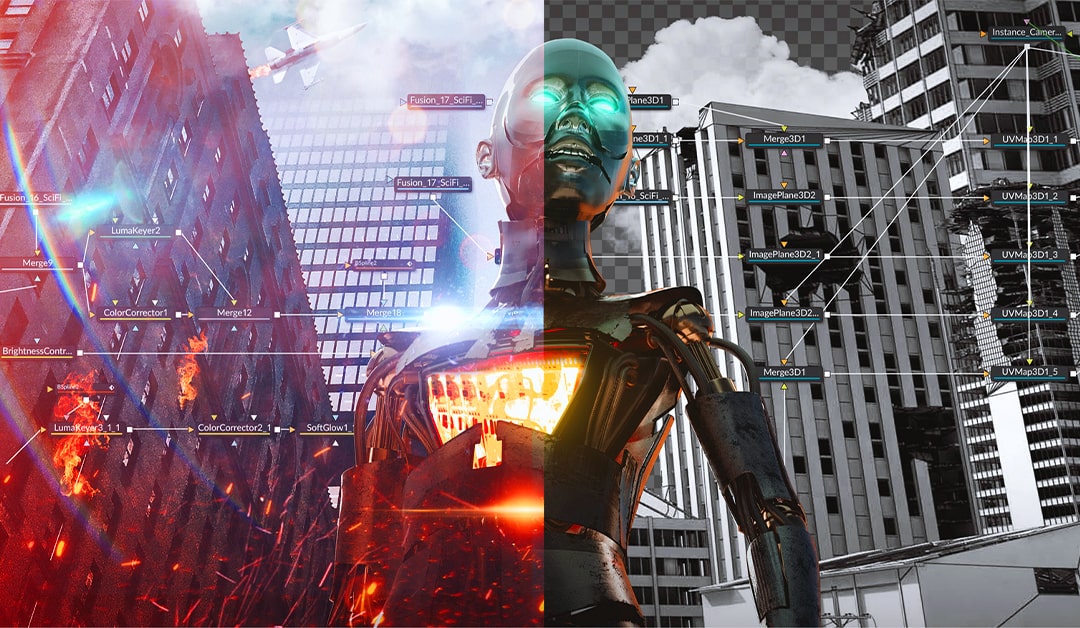
The Evolution of Animation and Visual Effects
The film industry has undergone tremendous transformation over the past century, and one of the most significant contributors to this evolution is the development of animation and visual effects. Modern movies rely heavily on these technologies to create stunning visuals, imaginative worlds, and scenes that would be impossible to capture using traditional filmmaking methods. Animation and visual effects have expanded the creative possibilities of cinema, allowing filmmakers to tell stories that push the boundaries of reality.
In the early days of filmmaking, special effects were achieved through practical techniques such as miniature models, makeup, lighting tricks, and camera illusions. While these methods were impressive for their time, they were limited by the technology available. Today, digital animation and computer-generated imagery have revolutionized the filmmaking process, enabling filmmakers to bring complex ideas to life with incredible detail and realism.
The Origins of Animation in Film
Early Experiments with Motion
Animation began long before digital computers were invented. Early artists experimented with ways to create the illusion of movement using sequences of images. Devices such as flipbooks and rotating discs demonstrated how still images could appear to move when viewed in rapid succession.
These early experiments eventually inspired filmmakers to explore animation as a storytelling medium. Hand-drawn animation became one of the first widely used forms of animated filmmaking. Artists drew thousands of individual frames to create characters and scenes that appeared to move smoothly on screen.
The Rise of Traditional Animation
Traditional animation became a major part of the film industry during the twentieth century. Animators used techniques such as cel animation, in which characters were drawn on transparent sheets and layered over painted backgrounds. This process allowed artists to produce colorful animated films that captivated audiences around the world.
Traditional animation required immense dedication and skill. Each second of film required dozens of individual drawings, and entire teams of artists worked together to create feature-length animated movies. Despite the labor-intensive process, traditional animation produced many beloved classics and established animation as a respected art form.
The Emergence of Computer Animation
The Introduction of Digital Technology
The development of computer technology in the late twentieth century marked the beginning of a new era for animation. Computer animation allowed artists to create images using digital tools rather than drawing every frame by hand. These digital techniques significantly improved efficiency while expanding the range of visual possibilities.
Computer animation involves the use of specialized software to design characters, environments, and movements. Artists create digital models and then animate them using virtual cameras and lighting systems. This approach enables filmmakers to produce highly detailed and dynamic visuals.
The Growth of Three-Dimensional Animation
Three-dimensional animation has become one of the most prominent forms of animation in modern cinema. Unlike traditional two-dimensional animation, which relies on flat drawings, three-dimensional animation creates fully modeled characters and environments that exist in digital space.
Three-dimensional animation allows filmmakers to simulate realistic lighting, shadows, and textures. Characters can move naturally within complex environments, and cameras can explore scenes from virtually any angle. This level of realism has transformed the visual style of animated films.
The Role of Visual Effects in Filmmaking
Defining Visual Effects
Visual effects refer to techniques used to create or manipulate imagery that cannot be captured during live filming. These effects can include digital environments, fantastical creatures, explosions, weather simulations, and many other elements that enhance a movie’s visual storytelling.
Visual effects are often combined with live-action footage to create seamless scenes. Actors may perform in front of green screens, and digital artists later add backgrounds, objects, or characters during post-production.
The Use of Computer-Generated Imagery
Computer-generated imagery has become the foundation of modern visual effects. CGI allows filmmakers to generate realistic objects, environments, and characters entirely within digital software. This technology enables the creation of large-scale scenes such as futuristic cities, alien planets, and massive battle sequences.
CGI is also used to enhance practical effects by adding details that would be difficult or dangerous to achieve on set. For example, digital techniques can extend physical sets, create realistic fire or water simulations, and enhance complex action scenes.
The Integration of Animation and Live Action
Blending Real and Digital Worlds
Modern filmmaking often combines live-action footage with animated elements to create immersive cinematic experiences. Actors may interact with digital characters or perform in environments that are partially or entirely created using computer graphics.
This integration requires careful planning and coordination between directors, cinematographers, and visual effects artists. Motion tracking technology helps ensure that digital elements align perfectly with the movements of the camera and actors.
Motion Capture Technology
Motion capture technology has become an essential tool for creating realistic animated characters. In this process, actors wear special suits equipped with sensors that record their movements. These movements are then transferred to digital characters, allowing animators to replicate human expressions and body language.
Motion capture allows filmmakers to create believable performances even when characters are entirely digital. This technique has been widely used in fantasy, science fiction, and action films.
The Creative Process Behind Visual Effects
Pre-Production Planning
Before filming begins, filmmakers carefully plan how visual effects will be used in a movie. Storyboards, concept art, and digital previews help directors visualize complex scenes and determine how different elements will be combined.
Pre-production planning ensures that visual effects integrate smoothly with live-action footage and support the overall narrative.
Post-Production and Digital Compositing
After filming is completed, visual effects artists begin the post-production process. Digital compositing involves combining multiple visual elements into a single final image. Artists layer live-action footage, digital environments, lighting effects, and animated characters to create seamless scenes.
This process requires advanced software and skilled artists who understand both technical tools and artistic principles.
The Impact of Visual Effects on Storytelling
Expanding Creative Possibilities
Animation and visual effects allow filmmakers to explore imaginative stories that would be impossible to portray using traditional methods. Fantasy worlds, mythical creatures, and futuristic technologies can be brought to life with extraordinary detail.
These visual tools give directors the freedom to create unique cinematic experiences that captivate audiences and transport them to entirely new environments.
Enhancing Emotional Engagement
Visual effects are not only used for spectacle but also for emotional storytelling. Subtle effects such as lighting adjustments, digital backgrounds, or atmospheric elements can enhance the mood of a scene and deepen the audience’s emotional connection to the story.
When used thoughtfully, visual effects support the narrative rather than overshadow it.
The Economic Importance of Animation and Visual Effects
Growth of the Visual Effects Industry
The demand for visual effects has created a thriving global industry. Studios around the world employ teams of artists, engineers, animators, and designers who collaborate to produce complex visual sequences for films and television productions.
Advances in computing power and digital tools have made it possible for visual effects studios to handle increasingly ambitious projects.
Opportunities for Creative Professionals
The animation and visual effects industry offers numerous career opportunities for creative professionals. Artists specializing in modeling, animation, lighting, texturing, and compositing play essential roles in the production process.
Technical experts such as software developers and simulation engineers also contribute to the development of new tools and technologies that improve visual effects workflows.
The Future of Animation and Visual Effects
Real-Time Rendering and Virtual Production
New technologies are transforming how visual effects are created. Real-time rendering allows filmmakers to visualize digital environments instantly during filming. Virtual production techniques use large LED screens to display digital backgrounds, enabling actors to perform within realistic environments.
This approach improves collaboration between directors and visual effects teams while reducing the need for extensive post-production work.
Artificial Intelligence in Animation
Artificial intelligence is beginning to play a role in animation and visual effects. AI tools can assist with tasks such as motion tracking, facial animation, and image enhancement. These technologies help streamline complex workflows and allow artists to focus more on creative decisions.
As artificial intelligence continues to evolve, it may introduce entirely new possibilities for digital filmmaking.
The Continuing Influence of Animation in Cinema
Animation and visual effects have become essential components of modern filmmaking. They allow filmmakers to create breathtaking visuals, imaginative worlds, and compelling stories that capture the attention of audiences worldwide.
As technology continues to advance, the role of animation and visual effects will only grow stronger. These tools will continue to shape the future of cinema, enabling filmmakers to push creative boundaries and redefine what is possible on the big screen.