Street Art and Its Cultural Significance
Introduction to Street Art
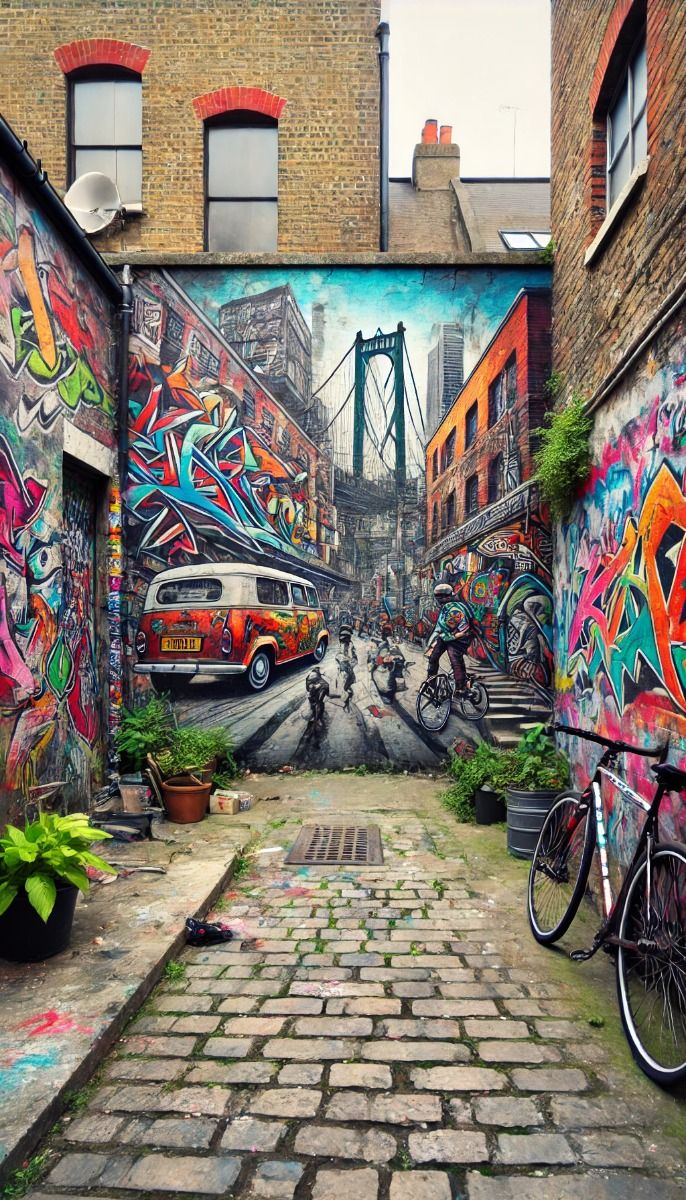
Street art is a powerful form of creative expression that appears in public spaces such as city walls, buildings, bridges, and sidewalks. Unlike traditional forms of art displayed in galleries and museums, street art exists in the open environment where anyone can see and experience it. Over the years, street art has evolved from simple graffiti to complex murals, installations, and visual statements that communicate powerful cultural and social messages.
Artists who create street art often use urban landscapes as their canvas, transforming ordinary locations into vibrant displays of creativity. This art form reflects the voice of communities, addressing themes such as identity, politics, social justice, culture, and human emotions. Street art is not only about visual beauty but also about communication and storytelling.
The Origins of Street Art
Early Forms of Graffiti
The roots of street art can be traced back to ancient civilizations. Historical evidence shows that people in ancient cities carved messages, drawings, and symbols on walls. These early forms of graffiti allowed individuals to express ideas, document events, and share opinions in public spaces.
In modern history, graffiti began gaining attention during the twentieth century, particularly in large cities. Young artists started using spray paint to write their names or create unique symbols on walls and public transportation. Over time, graffiti developed into a complex art movement with distinctive styles and techniques.
The Emergence of Modern Street Art
By the late twentieth century, street art had expanded beyond graffiti lettering to include murals, stencils, posters, and large-scale paintings. Artists began experimenting with different techniques and materials to create visually striking works that captured public attention.
Many street artists used their work to challenge social norms and raise awareness about important issues. As a result, street art gradually gained recognition as a legitimate form of artistic expression.
Characteristics of Street Art
Public Accessibility
One of the defining features of street art is its accessibility. Because it is displayed in public spaces, people do not need to visit a gallery or museum to experience it. Anyone walking through a city can encounter street art unexpectedly, making it a democratic form of art that belongs to everyone.
This accessibility allows street art to reach diverse audiences, including individuals who might not usually engage with traditional art institutions.
Bold Visual Impact
Street art is often designed to capture attention quickly. Artists use bold colors, large-scale images, and striking compositions to stand out within busy urban environments. The visual impact of street art transforms plain walls into dynamic visual experiences.
Many street artists also incorporate humor, symbolism, and creative imagery to communicate their messages effectively.
Street Art as a Voice for Social Issues
Political Expression
Street art has long served as a platform for political expression. Artists use public spaces to comment on government policies, social inequality, human rights, and global events. Because street art can be created quickly and shared widely through photography and social media, it often responds rapidly to current issues.
Political murals and graffiti can spark conversations within communities and encourage people to reflect on social challenges.
Social Awareness and Activism
Many street artists focus on themes related to social justice and cultural identity. Through powerful images and messages, they highlight issues such as poverty, environmental concerns, discrimination, and community struggles.
By placing these messages in public spaces, artists ensure that their work reaches audiences beyond traditional art circles.
The Influence of Street Art on Urban Culture
Transforming City Landscapes
Street art has the ability to transform urban environments. Empty walls, abandoned buildings, and neglected spaces can become vibrant landmarks through artistic intervention. Large murals often turn ordinary streets into cultural attractions that draw visitors and photographers.
In many cities, local governments and communities now support street art projects to beautify neighborhoods and encourage cultural tourism.
Community Identity
Street art often reflects the identity and history of local communities. Murals may celebrate cultural heritage, honor important figures, or depict scenes from everyday life. These artworks help residents feel connected to their surroundings and proud of their cultural identity.
Community-based street art projects also encourage collaboration between artists and residents, strengthening social bonds.
Techniques Used in Street Art
Spray Paint and Graffiti
Spray paint remains one of the most common tools used in street art. Artists can quickly create detailed images, vibrant colors, and large-scale lettering using spray cans. Graffiti lettering styles often feature bold outlines, dynamic shapes, and unique typography.
These techniques allow artists to produce expressive and energetic designs that reflect the fast-paced nature of urban culture.
Stencils and Posters
Some street artists use stencils to create precise images and patterns. Stencil art involves cutting shapes into materials such as cardboard or plastic and spraying paint over them to transfer the design onto a surface. This method allows artists to replicate images quickly in multiple locations.
Posters and wheat-paste techniques are also common. Artists print images or illustrations and attach them to walls using adhesive paste.
Large-Scale Murals
Murals are one of the most visually impressive forms of street art. These large paintings often cover entire building walls and require careful planning and collaboration. Artists may use scaffolding, brushes, rollers, and spray paint to complete these projects.
Murals often depict complex scenes, portraits, or abstract designs that transform urban landscapes into outdoor galleries.
The Relationship Between Street Art and Galleries
From Streets to Museums
Although street art originated outside traditional art institutions, many artists have gained recognition in galleries and museums. Art collectors and curators have become increasingly interested in street art as a legitimate and influential art movement.
Some artists transition from creating unauthorized public works to exhibiting their art in formal spaces while maintaining their unique visual style.
Debates About Authenticity
The movement of street art into galleries has sparked debates within the art community. Some people believe that street art loses its original meaning when removed from public spaces. Others argue that gallery exhibitions help preserve and celebrate the artistic achievements of street artists.
This ongoing discussion highlights the complex relationship between public art and institutional recognition.
The Role of Technology in Street Art
Social Media and Global Exposure
Digital technology has greatly expanded the reach of street art. Photographs and videos shared on social media platforms allow artworks to be seen by audiences around the world. Even temporary murals or graffiti can achieve global recognition through online sharing.
This visibility has helped many street artists build international reputations and connect with other creative communities.
Digital Design and Projection
Some artists use digital tools to design their street art before painting it on walls. Projection technology can also be used to display temporary artworks on buildings and urban structures. These innovations combine traditional artistic techniques with modern technology.
The integration of digital tools allows street artists to experiment with new forms of creative expression.
Challenges Facing Street Artists
Legal Issues
Because street art often appears on public or private property without permission, it can lead to legal challenges. Some cities classify unauthorized graffiti as vandalism, which may result in fines or penalties for artists.
However, many cities have begun to recognize the cultural value of street art and provide designated spaces where artists can work legally.
Preservation and Longevity
Street art is often temporary. Weather conditions, construction projects, and new layers of paint can eventually cover or damage existing artworks. While this impermanence is part of street art’s unique character, it also raises questions about preservation.
Photographers and digital archives help document street art before it disappears, preserving its cultural impact for future generations.
The Future of Street Art
Growing Global Recognition
Street art continues to gain recognition as an important cultural and artistic movement. Cities around the world host street art festivals that invite artists to create large-scale murals and public installations. These events celebrate creativity and attract visitors who appreciate urban art.
The increasing acceptance of street art demonstrates its lasting influence on contemporary culture.
Expanding Artistic Possibilities
As technology, urban design, and artistic techniques evolve, street artists will continue to explore new ways of expressing ideas. Interactive installations, digital projections, and mixed-media approaches may become more common in the future.
Street art will likely remain a vibrant and dynamic form of expression that reflects the voices, stories, and creativity of communities around the world.