The Global Popularity of Pop Music
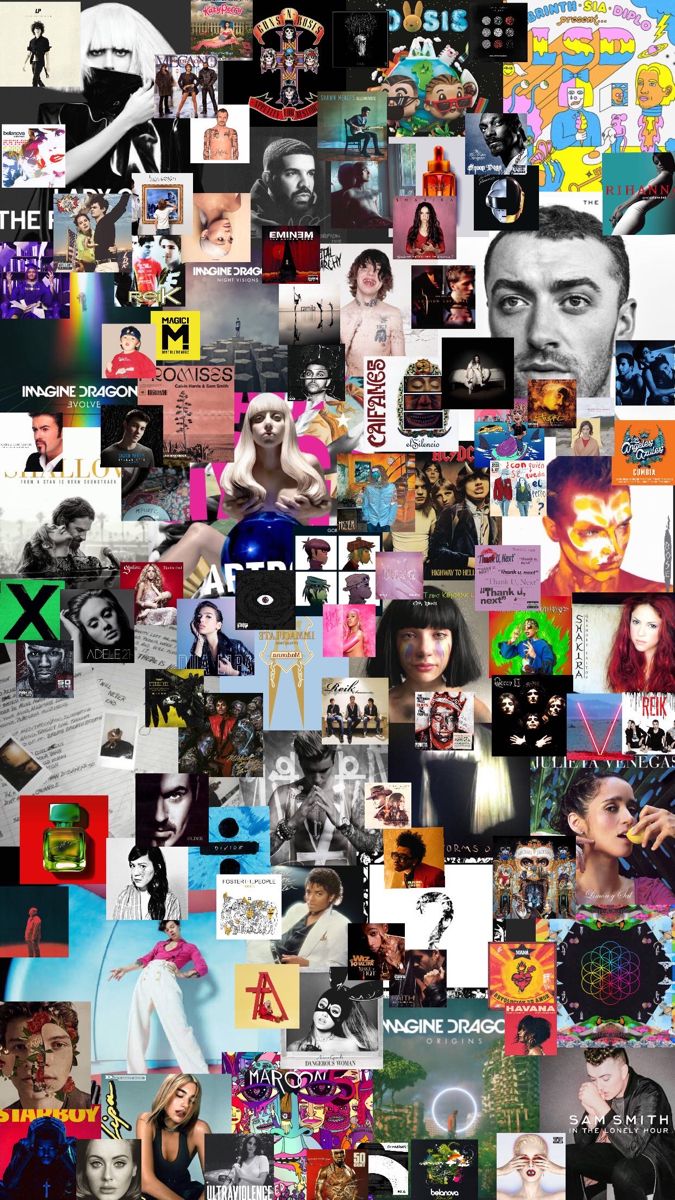
The Rise of Pop Music Around the World
Pop music is one of the most influential and widely recognized genres in the global music industry. The term “pop” originates from the word “popular,” reflecting its broad appeal and accessibility to audiences across different cultures and age groups. Over the decades, pop music has evolved into a powerful cultural force that shapes entertainment, fashion, and social trends around the world.
The global popularity of pop music can be attributed to its catchy melodies, relatable lyrics, and ability to adapt to changing musical styles. Artists often blend elements from various genres such as rock, dance, electronic, and hip-hop to create songs that resonate with diverse audiences. With the rise of digital technology and streaming platforms, pop music now reaches millions of listeners instantly, strengthening its influence on modern culture.
The Historical Development of Pop Music
Early Beginnings of Popular Music
The roots of pop music can be traced back to the early twentieth century when recorded music and radio broadcasting began to shape the entertainment industry. During this time, songs with simple melodies and memorable lyrics gained popularity among mass audiences.
As recording technology improved, artists were able to distribute their music more widely. Radio stations played a crucial role in promoting popular songs, helping them reach listeners across cities and countries. This marked the beginning of a new era where music could influence large audiences simultaneously.
The Influence of Rock and Roll
In the mid-twentieth century, the rise of rock and roll significantly influenced the development of pop music. Many artists blended rock rhythms with accessible melodies, creating songs that appealed to younger audiences. This fusion helped shape the modern pop sound.
As the music industry expanded, record labels began investing heavily in artists who could attract large audiences. The concept of the pop star emerged during this period, with musicians gaining international fame through radio, television, and live performances.
The Characteristics of Pop Music
Catchy Melodies and Simple Structures
One of the defining characteristics of pop music is its emphasis on memorable melodies. Pop songs are often designed to be easily recognizable and enjoyable after just a few listens. This accessibility allows the genre to reach a wide audience.
Most pop songs follow simple structures that include verses, choruses, and bridges. The chorus typically contains the most memorable part of the song, encouraging listeners to sing along.
Relatable Themes and Lyrics
Pop music often focuses on universal themes such as love, friendship, personal growth, and emotional experiences. These relatable topics make it easy for listeners to connect with the music on a personal level.
Artists frequently draw inspiration from everyday experiences, making their songs feel authentic and emotionally engaging.
The Impact of Technology on Pop Music
Recording and Production Innovations
Technological advancements have played a major role in shaping the sound of modern pop music. Digital recording tools, synthesizers, and advanced audio editing software allow producers to experiment with new sounds and effects.
These technologies enable musicians to create polished and dynamic recordings that appeal to contemporary audiences. Producers often combine electronic elements with traditional instruments to produce innovative musical arrangements.
The Rise of Music Streaming
Streaming platforms have transformed the way people listen to music. Instead of purchasing physical albums, listeners can access millions of songs instantly through online services. This shift has significantly expanded the reach of pop music.
Streaming services also use algorithms to recommend songs based on listener preferences, helping new pop artists gain exposure to global audiences.
The Role of Social Media in Pop Music
Direct Engagement with Fans
Social media platforms have become essential tools for pop musicians to interact with their fans. Artists share updates, behind-the-scenes content, and personal insights, creating stronger connections with their audiences.
This direct engagement helps build loyal fan communities that support artists through streaming, concert attendance, and merchandise purchases.
Viral Music Trends
Social media also plays a major role in the viral spread of pop music. Short video clips, dance challenges, and creative fan content can quickly turn a song into an international hit.
These viral trends demonstrate how digital platforms influence the success of modern pop songs.
The Globalization of Pop Music
Cultural Exchange Through Music
Pop music has become a powerful medium for cultural exchange. Artists from different countries often incorporate traditional sounds and languages into their music, creating unique blends of global and local influences.
This cultural fusion allows pop music to resonate with audiences from diverse backgrounds.
The Rise of International Pop Artists
In recent years, artists from various regions have gained global recognition. Musicians from Asia, Latin America, Europe, and Africa now regularly appear on international music charts. This diversity reflects the increasingly global nature of the pop music industry.
The success of international artists demonstrates that music can transcend language and cultural boundaries.
The Economic Influence of Pop Music
The Music Industry and Entertainment Economy
Pop music contributes significantly to the global entertainment economy. Record labels, streaming services, concert promoters, and merchandise companies all benefit from the popularity of pop artists.
Large-scale concerts and music festivals attract millions of fans each year, generating substantial economic activity for cities and countries.
Brand Partnerships and Commercial Opportunities
Pop musicians often collaborate with brands to promote products and services. These partnerships can include advertising campaigns, fashion collaborations, and product endorsements.
Such collaborations allow artists to expand their influence beyond music while providing companies with access to large and engaged audiences.
The Influence of Pop Music on Culture
Fashion and Lifestyle Trends
Pop music has a strong influence on fashion and lifestyle trends. Fans often adopt styles inspired by their favorite artists, including clothing, hairstyles, and accessories. Music videos and public appearances frequently showcase innovative fashion designs that inspire global trends.
The relationship between pop music and fashion highlights the genre’s broader cultural impact.
Social and Cultural Messages
Many pop artists use their music to address social issues and promote positive messages. Songs may explore themes such as equality, mental health, empowerment, and environmental awareness.
By sharing these messages through widely accessible music, pop artists can influence public conversations and inspire social change.
The Evolution of Pop Music Styles
Blending Genres and Sounds
Pop music continues to evolve by incorporating elements from other musical genres. Electronic dance music, hip-hop, R&B, and alternative styles have all influenced the modern pop sound.
This blending of genres keeps pop music fresh and exciting while allowing artists to experiment with new creative directions.
The Role of Producers and Songwriters
Behind every successful pop song is a team of talented producers and songwriters who shape the music’s structure and sound. These professionals collaborate with artists to craft melodies, lyrics, and arrangements that appeal to listeners.
The collaborative nature of pop music production contributes to the genre’s diversity and innovation.
The Future of Pop Music
Technological Innovation in Music Creation
As technology continues to advance, new tools will further transform the way pop music is created and distributed. Artificial intelligence, immersive audio formats, and virtual concerts may become increasingly common in the music industry.
These innovations could redefine the listening experience and open new creative possibilities for artists.
The Continuing Global Influence of Pop Music
The popularity of pop music shows no signs of slowing down. As cultures continue to interact and technology connects audiences worldwide, pop music will likely remain one of the most influential forms of artistic expression.
Its ability to adapt to changing trends, connect with listeners emotionally, and unite diverse audiences ensures that pop music will continue to shape global culture for generations to come.