The Influence of Social Media on Art and Creativity
The Digital Revolution in the Art World
The rapid development of digital technology has transformed many aspects of modern life, and the world of art is no exception. Social media platforms have become powerful tools for artists, designers, photographers, and creative thinkers around the world. These platforms have changed how art is created, shared, and appreciated. In the past, artists relied heavily on galleries, museums, and exhibitions to display their work. Today, social media allows creators to present their art to a global audience instantly.
Through social media, artists can showcase their work, receive feedback, and build communities of supporters and fellow creators. This shift has opened new doors for emerging artists who might not have had access to traditional art institutions. The digital environment encourages experimentation, collaboration, and innovation, making social media one of the most influential forces shaping modern creativity.
The Accessibility of Art in the Social Media Era
Breaking Traditional Barriers
One of the most significant impacts of social media on art is the removal of traditional barriers. In the past, gaining recognition as an artist often required connections within the art industry or representation by galleries. Social media has changed this dynamic by allowing anyone with internet access to share their creative work.
Artists can upload photographs, paintings, illustrations, digital artwork, or sculptures and reach audiences across the globe. This accessibility has made the art world more inclusive and diverse, allowing creators from different cultures and backgrounds to gain visibility.
Instant Global Exposure
Social media platforms enable artists to connect with viewers from different countries and cultures. A single piece of artwork can be shared thousands of times within hours, reaching people who might never have encountered the artist through traditional means.
This instant exposure has helped many independent artists gain recognition and build professional careers. It has also allowed audiences to discover new forms of art and creative expression that were previously hidden or overlooked.
The Rise of Digital Creativity
Digital Art and Technology
The influence of social media has encouraged the growth of digital art. Artists now use graphic tablets, digital drawing software, and advanced editing tools to create complex and visually striking pieces. Digital art allows creators to experiment with colors, textures, and effects that might be difficult to achieve with traditional materials.
Because digital art can be shared easily online, it fits naturally into the social media environment. Many artists build entire careers by producing digital illustrations, animations, and graphic designs that attract large online audiences.
Multimedia and Interactive Art
Social media has also inspired artists to explore multimedia forms of creativity. Instead of focusing solely on static images, creators often combine photography, animation, video, and sound to produce engaging visual experiences. Short video clips, time-lapse drawings, and behind-the-scenes footage allow audiences to see the creative process in action.
These multimedia approaches make art more interactive and engaging, encouraging viewers to participate in the creative journey.
Building Creative Communities
Online Collaboration
Social media has made collaboration between artists easier than ever before. Creators from different countries can work together on shared projects, exchange ideas, and inspire each other’s work. These collaborations often produce innovative artworks that combine different artistic styles and cultural influences.
Online communities allow artists to learn from one another and develop new skills. Through discussion groups, creative challenges, and collaborative projects, social media fosters a sense of global artistic community.
Support and Motivation for Artists
Creating art can sometimes feel isolating, especially for artists who work independently. Social media provides a supportive environment where creators can share their progress, celebrate achievements, and receive encouragement from others.
Positive feedback from viewers can motivate artists to continue exploring their creativity and improving their skills. At the same time, constructive criticism can help artists refine their techniques and develop stronger artistic voices.
Learning and Education Through Social Media
Access to Tutorials and Educational Content
One of the most valuable aspects of social media for artists is the availability of educational resources. Many experienced creators share tutorials, tips, and demonstrations that help beginners learn new techniques. These resources may include drawing tutorials, photography lessons, color theory explanations, and design advice.
Artists who might not have access to formal art education can learn valuable skills through online content. This open exchange of knowledge has made art education more accessible than ever before.
Behind-the-Scenes Insights
Artists often use social media to share behind-the-scenes content showing how their work is created. Time-lapse videos, step-by-step images, and studio tours provide valuable insight into the creative process. These glimpses into artistic practice inspire viewers and help them understand the dedication required to produce meaningful artwork.
By observing experienced artists at work, beginners gain a deeper appreciation for technique, patience, and experimentation.
The Role of Social Media in Art Promotion
Personal Branding for Artists
In the digital age, artists often develop personal brands to stand out in a competitive online environment. Social media profiles act as digital portfolios where creators present their best work and communicate their artistic identity. Consistency in style, subject matter, and presentation helps artists build recognizable visual identities.
A strong online presence can attract followers, collectors, and potential collaborators. Many artists gain commissions or freelance opportunities through their social media platforms.
Direct Communication with Audiences
Unlike traditional galleries, social media allows artists to interact directly with viewers. Artists can respond to comments, answer questions, and engage in conversations about their work. This direct communication strengthens the connection between creators and audiences.
Viewers often feel more connected to artists when they can see the personality and ideas behind the artwork. This connection encourages loyalty and continued support from followers.
Commercial Opportunities for Artists
Online Art Sales
Social media has created new opportunities for artists to sell their work. Many creators promote original paintings, digital prints, merchandise, and commissioned artwork through their online profiles. With integrated payment systems and online marketplaces, artists can reach buyers without relying solely on galleries.
This direct sales model allows artists to maintain greater control over pricing and creative direction.
Collaborations with Brands
Brands and companies often collaborate with artists who have strong online followings. These partnerships can involve designing product packaging, creating promotional illustrations, or participating in marketing campaigns. Social media visibility makes it easier for companies to discover talented artists who align with their brand identity.
Such collaborations provide artists with financial support while expanding their creative opportunities.
Challenges of Social Media for Artists
The Pressure to Produce Constant Content
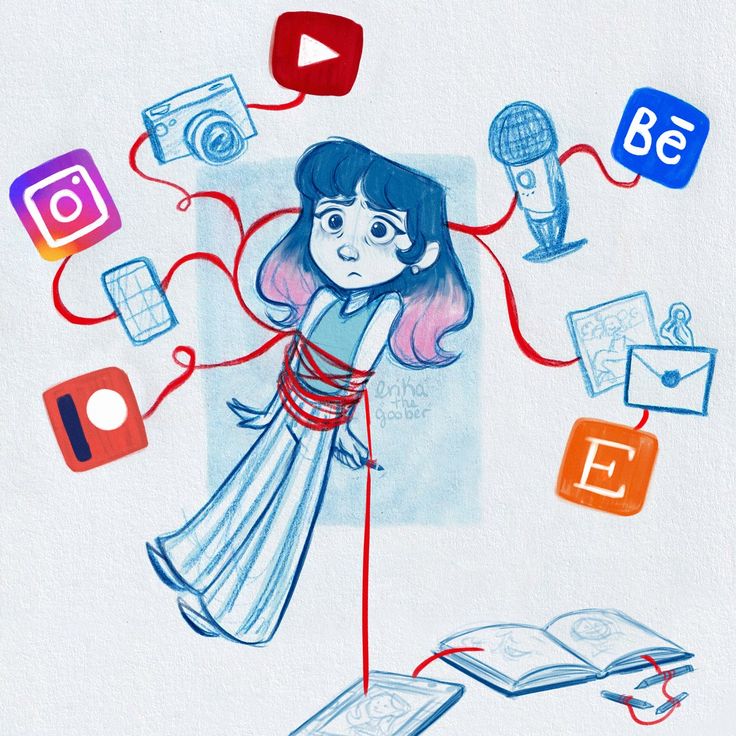
While social media provides valuable exposure, it also creates pressure for artists to produce content regularly. Algorithms often favor frequent posting, which can lead artists to prioritize quantity over quality. This pressure may reduce the time available for developing complex or long-term creative projects.
Finding a balance between artistic growth and maintaining an active online presence can be challenging for many creators.
Issues of Copyright and Originality
Sharing artwork online exposes artists to the risk of unauthorized use. Images can be copied, reposted, or modified without permission. Protecting intellectual property remains a major concern in the digital art world.
Artists often use watermarks, licensing agreements, or digital protection methods to safeguard their work from misuse.
The Cultural Impact of Social Media on Art
New Artistic Trends
Social media platforms often give rise to new artistic trends. Creative challenges, visual themes, and stylistic movements spread rapidly across online communities. Artists reinterpret these trends in their own unique ways, contributing to the continuous evolution of digital art culture.
These trends highlight the collaborative and dynamic nature of creativity in the online environment.
Diversity and Representation
Social media has amplified the voices of artists from diverse cultural backgrounds. Creators can use their work to explore themes such as identity, heritage, social issues, and cultural traditions. This increased representation enriches the global art community and encourages broader understanding among audiences.
By sharing personal stories through visual expression, artists contribute to important cultural conversations.
The Future of Art in the Age of Social Media
Technological Innovations
The relationship between art and social media will continue to evolve as new technologies emerge. Virtual reality, augmented reality, and artificial intelligence are already influencing artistic experimentation. These technologies allow artists to create immersive experiences that engage audiences in entirely new ways.
Interactive installations, digital galleries, and virtual exhibitions may become more common as technology advances.
Continuing Influence on Creative Expression
Despite its challenges, social media has permanently changed how art is shared and experienced. It has expanded opportunities for artists, connected creative communities, and made artistic expression more accessible to people around the world.
As artists continue to explore the possibilities of digital platforms, social media will remain a powerful force shaping the future of art and creativity.