The Art of Photography in the Digital Age
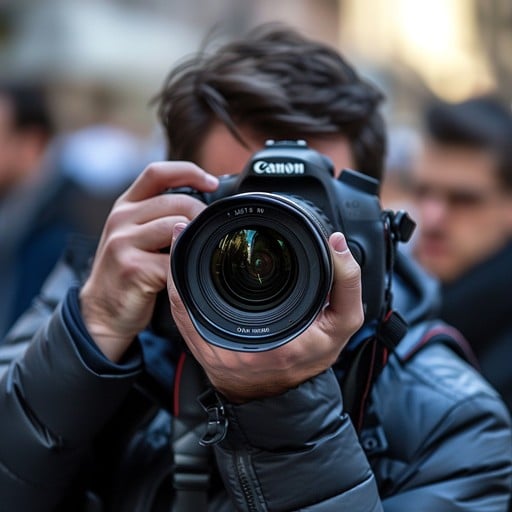
The Evolution of Photography
Photography has undergone a dramatic transformation since its invention in the nineteenth century. What began as a complex scientific process involving chemicals and fragile equipment has evolved into a widely accessible art form powered by digital technology. In the digital age, photography has become an essential part of everyday life, allowing people around the world to capture moments, tell stories, and express creativity through images.
The transition from film cameras to digital photography has not only changed the tools photographers use but also reshaped the entire culture of visual storytelling. Today, photography is deeply integrated into communication, journalism, social media, art, and commercial industries. The digital revolution has expanded the possibilities of photography while making it easier than ever for individuals to create and share visual content.
The Origins of Photography
Early Experiments with Light and Images
The origins of photography can be traced back to early scientific experiments with light and optics. Inventors and scientists explored ways to capture images using light-sensitive materials. These early experiments laid the foundation for the development of photographic technology.
The earliest photographs required long exposure times and complicated chemical processes. Photographers had to prepare plates, develop images using chemicals, and carefully preserve their work. Despite these challenges, early photography fascinated the public because it offered a new way to record reality.
The Rise of Film Photography
Film photography marked a major step forward in the development of the medium. Cameras became more portable, and photographic film allowed multiple images to be captured on a single roll. This innovation made photography more practical and accessible to both professionals and hobbyists.
Film photography dominated the industry for more than a century. Photographers developed skills in composition, lighting, and exposure while carefully planning each shot due to the limited number of images available on a roll of film.
The Digital Photography Revolution
The Introduction of Digital Cameras
The arrival of digital cameras transformed photography in profound ways. Digital cameras replaced film with electronic sensors that capture light and convert it into digital data. This technology allows images to be stored instantly on memory cards and viewed immediately on screens.
The ability to review photos instantly changed the workflow of photographers. Instead of waiting for film to be developed, photographers could evaluate their shots in real time and make adjustments as needed.
The Role of Smartphones
One of the most influential developments in digital photography has been the integration of cameras into smartphones. Modern smartphones include powerful cameras that are capable of producing high-quality images. Because people carry their phones everywhere, photography has become a constant and spontaneous activity.
Smartphone cameras have democratized photography by making it accessible to billions of people. Anyone with a mobile device can capture moments, document events, and share images instantly with others.
Photography as an Artistic Expression
Creative Vision and Composition
Photography is not only a technical process but also a form of artistic expression. Photographers use composition, lighting, perspective, and color to create visually compelling images. These elements help convey mood, emotion, and narrative within a photograph.
Composition plays a central role in photography. The placement of subjects, the balance of elements within the frame, and the use of leading lines all influence how viewers perceive an image. Skilled photographers carefully consider these factors to create impactful visual stories.
The Power of Light
Light is one of the most important elements in photography. Natural light, artificial light, and shadows all contribute to the visual character of an image. Photographers often plan their shoots based on lighting conditions to achieve the desired atmosphere.
The golden hour, which occurs shortly after sunrise and before sunset, is particularly valued by photographers for its soft and warm lighting. Understanding how to work with different lighting conditions is a key skill in the art of photography.
Digital Editing and Post-Processing
The Importance of Image Editing
Digital photography has introduced powerful editing tools that allow photographers to enhance and refine their images. Photo editing software enables adjustments to exposure, contrast, color balance, and sharpness. These tools help photographers correct imperfections and improve the overall quality of their images.
Editing also allows photographers to emphasize certain visual elements and create artistic effects. While editing can significantly enhance an image, many photographers aim to maintain a natural look that reflects the original scene.
Creative Manipulation and Digital Art
In addition to basic adjustments, digital editing allows photographers to experiment with creative manipulation. Multiple images can be combined to create composite photographs, and digital effects can transform ordinary scenes into imaginative visual artworks.
This blending of photography and digital art has expanded the creative possibilities of the medium. Artists can now push the boundaries of visual storytelling through advanced editing techniques.
Photography in Journalism and Media
Visual Storytelling in News
Photography plays a vital role in journalism by documenting events and presenting visual evidence of important moments in history. Photojournalists capture images that communicate powerful stories and provide insight into social, political, and cultural issues.
Images often have the ability to convey emotion and impact more effectively than written reports alone. Iconic photographs have shaped public perception of major historical events and influenced global conversations.
Ethical Considerations in Photojournalism
With the power of photography comes the responsibility to present images accurately and ethically. Photojournalists must follow strict guidelines to ensure that their images represent reality without misleading viewers.
Ethical photography involves respecting the dignity and privacy of subjects while maintaining honesty in visual reporting.
Photography and Social Media
The Rise of Visual Communication
Social media platforms have transformed photography into one of the most common forms of communication. People use images to share personal experiences, travel adventures, food, fashion, and daily life moments.
The visual nature of social media encourages creativity and storytelling through photographs. Images can quickly capture attention and convey messages that resonate with viewers.
The Influence of Online Communities
Online communities allow photographers to share their work with global audiences and receive feedback from other creatives. Photography enthusiasts can learn from one another, exchange ideas, and discover new techniques through digital platforms.
This collaborative environment has contributed to the growth of photography as both a hobby and a professional career.
Professional Photography in the Digital Era
Commercial and Advertising Photography
Professional photographers play an important role in advertising and marketing. Businesses rely on high-quality images to promote products, services, and brands. Advertising photography requires careful planning, lighting setups, and creative direction to produce visually appealing images.
Digital photography has made it easier for photographers to deliver images quickly and efficiently to clients around the world.
Wedding and Event Photography
Event photography remains a major sector of the professional photography industry. Weddings, celebrations, conferences, and public events are often documented by skilled photographers who capture important moments for clients.
Digital cameras allow photographers to capture hundreds or even thousands of images during an event, increasing the chances of preserving memorable moments.
The Technological Future of Photography
Artificial Intelligence in Photography
Artificial intelligence is beginning to influence many aspects of photography. AI-powered cameras can automatically adjust settings based on scene recognition, helping users capture better images with minimal effort.
AI is also used in photo editing software to enhance images, remove unwanted objects, and improve image quality. These technologies are making advanced photography tools accessible to a wider audience.
Virtual Reality and Immersive Imaging
New forms of photography are emerging through technologies such as virtual reality and 360-degree imaging. These immersive formats allow viewers to explore scenes from multiple perspectives, creating interactive visual experiences.
Such innovations are expanding the possibilities of photography beyond traditional still images.
The Cultural Impact of Photography
Documenting Human History
Photography has become an essential tool for documenting human history. From everyday life to major historical events, photographs preserve moments that might otherwise be forgotten. These visual records provide valuable insights for future generations.
Photographs often serve as powerful reminders of cultural heritage, social change, and human resilience.
Photography as a Universal Language
One of the most remarkable aspects of photography is its ability to communicate across cultural and linguistic boundaries. A single photograph can convey emotion, context, and meaning without the need for words.
This universal quality makes photography one of the most influential forms of artistic and social communication in the digital age.
The Continuing Evolution of Photography
The art of photography continues to evolve as technology advances and creative techniques expand. Digital tools, mobile devices, and online platforms have reshaped how images are created, shared, and appreciated.
Despite these technological changes, the fundamental purpose of photography remains the same: to capture moments, tell stories, and preserve the beauty and complexity of the world around us.