The Role of Theater in Modern Entertainment
The Historical Roots of Theater
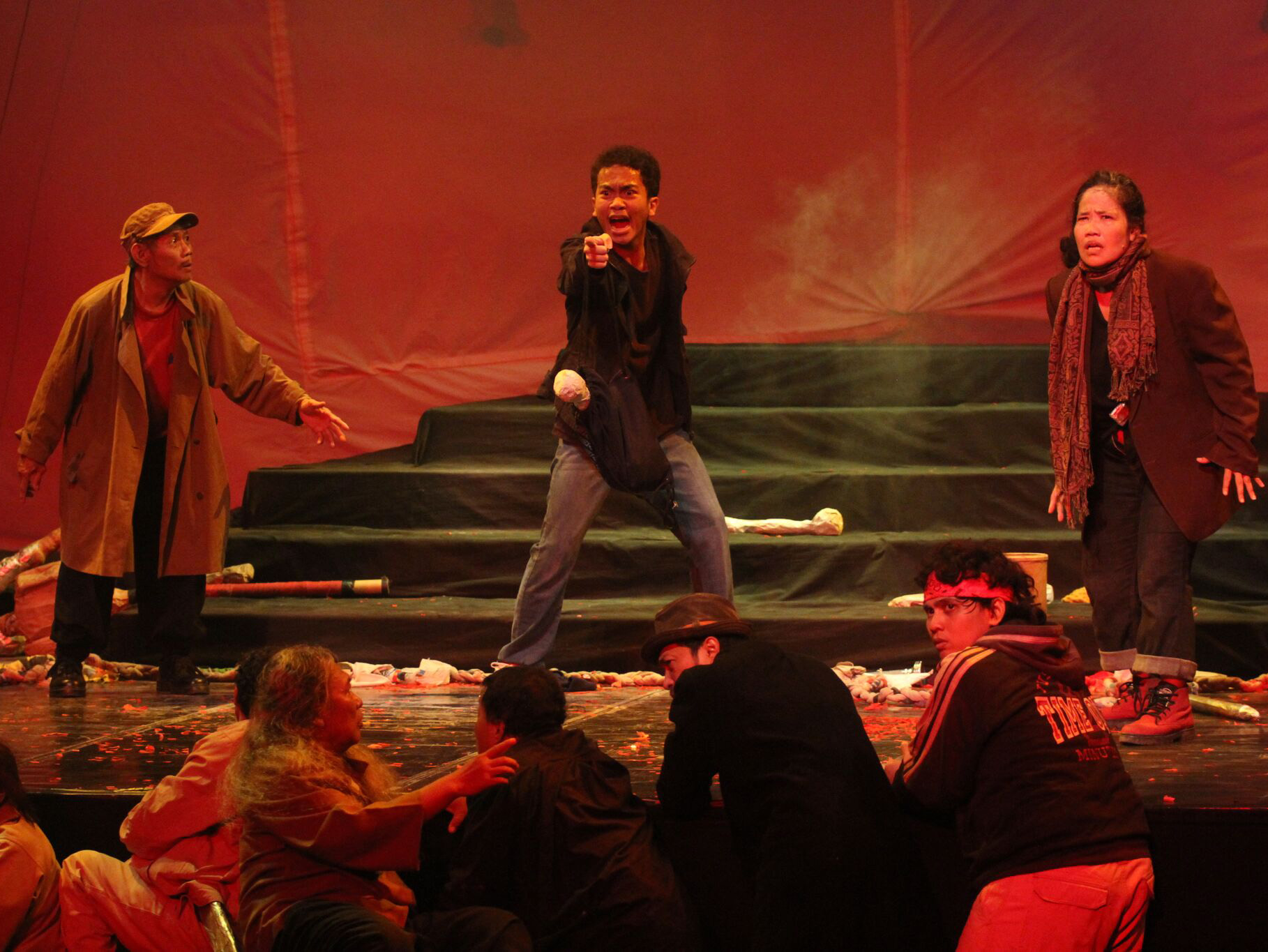
Theater is one of the oldest forms of entertainment and storytelling in human history. Long before the invention of cinema, television, and digital media, people gathered in public spaces to watch actors perform dramatic stories on stage. Theater provided communities with a powerful way to explore emotions, social issues, mythology, and cultural traditions through live performance.
From ancient civilizations to modern societies, theater has played a significant role in shaping culture and artistic expression. It combines acting, music, dialogue, stage design, costumes, and lighting to create immersive experiences for audiences. Despite the rise of digital entertainment, theater continues to hold an important place in modern entertainment by offering live performances that connect performers and audiences in unique ways.
The Evolution of Theater Through History
Ancient Theatrical Traditions
The earliest forms of theater can be traced back thousands of years to ancient civilizations. In many early societies, performances were closely connected to religious rituals, seasonal celebrations, and storytelling traditions. Performers would act out myths, legends, and historical events in front of large audiences.
These early theatrical traditions helped communities pass down knowledge, moral lessons, and cultural values. The use of costumes, masks, and music made performances visually engaging and emotionally powerful.
Development of Dramatic Literature
As theater evolved, playwrights began creating structured dramatic works that explored complex themes and human emotions. Dramatic literature became an important part of cultural life, and plays were written to entertain, educate, and provoke thought among audiences.
Playwrights introduced different genres of theater, including tragedy, comedy, satire, and historical drama. Each genre allowed performers and writers to explore different aspects of human experience.
Theater as a Live Performance Art
The Unique Experience of Live Performance
One of the defining features of theater is that it is performed live in front of an audience. Unlike films or television shows, theater performances happen in real time. This creates a direct connection between actors and viewers that cannot be replicated through recorded media.
The energy of a live audience influences the performance, and each show can feel slightly different depending on the reactions of the viewers. This immediacy makes theater a dynamic and engaging form of entertainment.
The Role of Actors and Stagecraft
Actors are at the center of theatrical performances. Through voice, movement, facial expressions, and emotional interpretation, actors bring characters and stories to life. Their performances allow audiences to experience the emotions and conflicts presented in the narrative.
Stagecraft also plays an important role in theater. Elements such as lighting, costumes, stage design, sound effects, and props help create the visual and atmospheric world of the play. Together, these components form a complete theatrical experience.
Theater and Modern Storytelling
Exploring Complex Themes
Modern theater often addresses complex social, political, and cultural issues. Playwrights use the stage as a platform to explore topics such as identity, justice, inequality, relationships, and personal struggles. Through dramatic storytelling, theater encourages audiences to reflect on important issues affecting society.
Because theater relies heavily on dialogue and character interaction, it provides a powerful way to examine human behavior and moral dilemmas. Audiences are invited to think critically about the situations presented on stage.
Experimental and Contemporary Theater
Contemporary theater includes many experimental forms that challenge traditional storytelling methods. Some productions incorporate multimedia elements, interactive performances, and unconventional stage designs.
These innovations allow theater artists to explore new creative possibilities while expanding the boundaries of theatrical expression. Experimental theater continues to evolve as artists experiment with different narrative structures and performance techniques.
The Relationship Between Theater and Other Entertainment Media
Theater and Cinema
Theater has strongly influenced the development of cinema. Many early films were inspired by theatrical storytelling techniques, including scripted dialogue, dramatic structure, and staged performances. In fact, many actors and directors began their careers in theater before transitioning to film.
Even today, many successful films are adapted from stage plays. Theater provides a foundation for storytelling that continues to influence modern filmmaking.
Theater and Television
Television also shares a connection with theater. Early television productions often resembled stage performances because they were filmed in studios with limited sets. Many television actors receive training in theater because stage experience helps develop strong acting skills and emotional expression.
Live television broadcasts and special performances sometimes incorporate theatrical techniques to create engaging visual storytelling.
The Cultural Importance of Theater
Preserving Cultural Heritage
Theater plays a vital role in preserving cultural traditions and historical narratives. Many theatrical productions are based on historical events, traditional folklore, and classical literature. These performances help keep cultural heritage alive for new generations.
Community theaters and cultural institutions often stage productions that celebrate local traditions and stories, strengthening cultural identity within communities.
Encouraging Social Dialogue
Because theater often explores real-world issues, it can encourage meaningful conversations among audiences. Plays that address topics such as social justice, political change, and human rights can inspire discussion and awareness.
By presenting different perspectives and experiences, theater helps audiences understand complex issues and empathize with others.
The Economic Role of Theater in Entertainment
Theater as a Creative Industry
Theater is not only an art form but also an important part of the creative economy. Large theatrical productions involve many professionals, including actors, directors, writers, stage designers, costume makers, lighting technicians, and sound engineers.
The production of a play requires extensive planning, rehearsal, and collaboration. As a result, theater supports a wide range of creative careers within the entertainment industry.
The Impact of Theater Tourism
Major theater districts in large cities attract visitors from around the world. Tourists often travel specifically to watch famous stage productions and musicals. These performances contribute significantly to local economies by generating revenue for theaters, hotels, restaurants, and other businesses.
The popularity of theater tourism demonstrates the continued importance of live stage entertainment in modern culture.
Theater Education and Artistic Development
Training the Next Generation of Performers
Theater education plays an essential role in developing acting skills and artistic talent. Drama schools and university theater programs teach students about acting techniques, script analysis, stage movement, and performance theory.
Students involved in theater often develop confidence, communication skills, and creative thinking abilities. These skills are valuable not only in the performing arts but also in many other professions.
Theater as a Tool for Personal Expression
Participating in theater allows individuals to express their emotions, ideas, and creativity. Community theater programs provide opportunities for people of all ages to engage in performance and storytelling.
Through acting and performance, individuals can explore different perspectives and build empathy for others.
The Future of Theater in the Digital Age
Technology and Stage Production
Modern theater productions increasingly use advanced technology to enhance performances. Digital projections, sophisticated lighting systems, and sound design technologies allow stage productions to create immersive visual environments.
These technological innovations help theater compete with other forms of entertainment while maintaining its unique live performance experience.
Online Streaming and Hybrid Performances
In recent years, some theater companies have begun streaming performances online, allowing global audiences to experience stage productions remotely. Hybrid performances that combine live audiences with digital broadcasts are becoming more common.
These developments allow theater to reach wider audiences while preserving the essence of live performance.
The Enduring Value of Theater
Theater as a Human Experience
Despite the rapid growth of digital entertainment, theater continues to thrive because it offers a uniquely human experience. Watching actors perform live creates an emotional connection that cannot be fully replicated by recorded media.
The shared experience of sitting in a theater with other audience members adds to the impact of the performance. Laughter, silence, and applause become collective responses that enhance the storytelling experience.
The Continuing Influence of Theater
Theater remains a powerful form of artistic expression that continues to influence film, television, and other forms of media. Its emphasis on storytelling, character development, and emotional performance ensures that it will remain an important part of modern entertainment.
As new technologies and creative ideas emerge, theater will continue to evolve while preserving its rich traditions and cultural significance.