The Influence of Music on Culture and Society
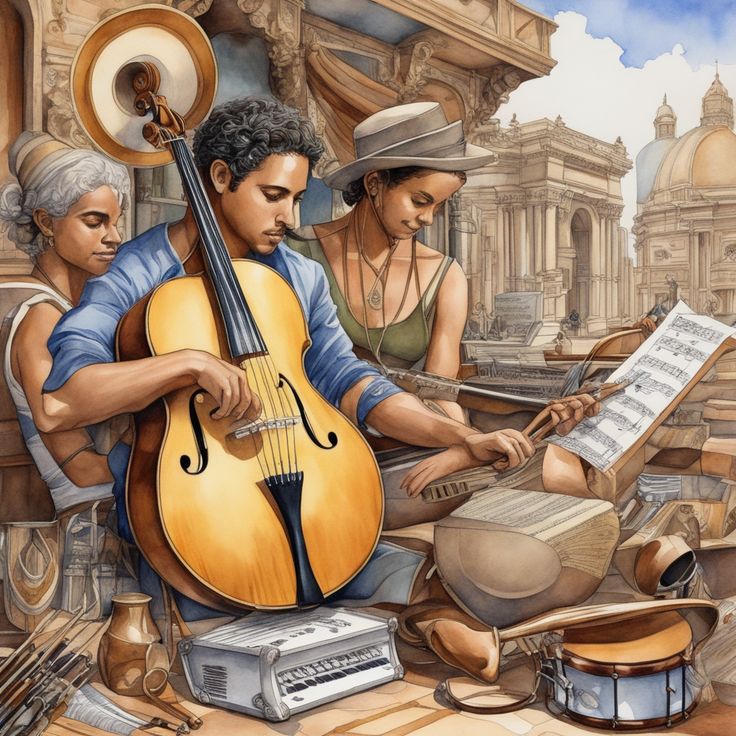
Introduction to Music and Its Cultural Significance
Music has been a fundamental part of human civilization for thousands of years. Across continents and throughout history, music has served as a universal language that connects people, expresses emotions, and reflects cultural identity. From ancient tribal rhythms to modern digital compositions, music has played a powerful role in shaping traditions, influencing societies, and preserving cultural heritage.
Music is more than just entertainment. It carries meaning, emotion, and messages that resonate deeply with individuals and communities. Through melody, rhythm, and lyrics, music communicates ideas, beliefs, and experiences that define cultures and shape collective identities. As societies evolve, music evolves with them, reflecting social changes, technological advancements, and new cultural expressions.
The Historical Role of Music in Human Societies
Music in Ancient Civilizations
Music has existed since the earliest human societies. Archaeological discoveries reveal that ancient civilizations used musical instruments made from bones, wood, and stone thousands of years ago. Early humans used music in rituals, celebrations, storytelling, and communication.
In ancient cultures, music often had spiritual and ceremonial importance. It was performed during religious ceremonies, royal events, and community gatherings. Music helped unite communities and served as a way to express devotion, gratitude, and celebration.
Music as a Tool for Storytelling
Before written language became widespread, music played an essential role in preserving stories and traditions. Songs were used to pass down historical events, myths, and cultural knowledge from one generation to another. These musical traditions helped maintain cultural identity and collective memory.
Folk songs, ballads, and traditional melodies often contain valuable insights into the lives, struggles, and values of past societies. Through music, cultures preserved their heritage and shared important lessons with future generations.
Music as a Cultural Identity
Representation of Cultural Heritage
Every culture has its own unique musical traditions that reflect its history, environment, and social values. Traditional instruments, rhythms, and vocal styles often define a region’s musical identity. Music becomes a symbol of cultural pride and belonging.
For example, traditional music performed during festivals, weddings, and national celebrations often represents the spirit and heritage of a community. These musical traditions help maintain cultural continuity and strengthen community bonds.
Music and Language
Music often incorporates language, poetry, and storytelling, making it an important tool for preserving linguistic heritage. Songs written in native languages help keep those languages alive and promote cultural expression.
In many communities, traditional songs are used to teach children about their cultural roots, values, and history. Music therefore becomes a bridge between generations.
The Social Power of Music
Music as a Form of Social Expression
Music has long been used as a medium for expressing social issues, emotions, and political ideas. Artists often use music to comment on injustice, inequality, and societal challenges. Through lyrics and melodies, musicians can raise awareness and inspire change.
Throughout history, protest songs and socially conscious music have played a role in movements for civil rights, freedom, and equality. Music has the ability to unite people around shared causes and amplify important messages.
Music and Community Building
Music brings people together in ways few other forms of expression can. Concerts, festivals, and community performances create shared experiences that strengthen social connections. Singing, dancing, and listening to music together fosters a sense of belonging and unity.
In many cultures, music is a central part of social gatherings. Whether it is a wedding celebration, religious ceremony, or cultural festival, music enhances the emotional atmosphere and creates lasting memories.
Psychological and Emotional Influence of Music
Music and Human Emotions
One of the most powerful aspects of music is its ability to influence emotions. Certain melodies can evoke happiness, sadness, nostalgia, excitement, or calmness. Music interacts with the human brain in complex ways, triggering emotional responses and memories.
Listening to music can help people process emotions, reduce stress, and improve mood. Many individuals use music as a way to relax, focus, or cope with difficult situations.
Music Therapy and Mental Health
Music therapy has become an important field in healthcare and psychology. Therapists use music to help individuals manage anxiety, depression, and trauma. Playing instruments, singing, or simply listening to music can support emotional healing and personal growth.
Research shows that music can stimulate brain activity, enhance memory, and promote relaxation. Because of these benefits, music therapy is used in hospitals, rehabilitation centers, and mental health programs around the world.
Music and Technological Advancement
The Evolution of Music Recording
Technology has significantly influenced the way music is created, recorded, and distributed. Early music performances were experienced only in live settings. With the invention of recording technology, music could be preserved and shared with wider audiences.
Recording studios allowed musicians to experiment with sound, layering instruments and refining compositions. This innovation transformed the music industry and enabled artists to reach global audiences.
Digital Music and Online Platforms
In the digital age, music is more accessible than ever before. Streaming services, online platforms, and social media have revolutionized how people discover and listen to music. Artists can share their work with audiences across the world instantly.
Digital technology also allows independent musicians to produce music without relying on large record labels. This democratization of music production has led to greater diversity and creativity in the music industry.
Music and Youth Culture
Music as a Voice for Younger Generations
Young people often use music as a form of self-expression and identity. Different musical genres reflect the attitudes, values, and experiences of younger generations. Music influences fashion, language, and social trends among youth.
Through music, young listeners explore ideas about identity, freedom, creativity, and social change. Music becomes a platform for expressing individuality and connecting with others who share similar interests.
Music and Popular Culture
Popular music plays a major role in shaping contemporary culture. Hit songs influence entertainment, media, and social trends. Musicians often become cultural icons whose styles and messages impact millions of fans worldwide.
Music videos, live performances, and social media engagement further amplify the cultural influence of popular artists and their work.
The Economic Impact of the Music Industry
Music as a Global Industry
The music industry has grown into a massive global market that includes recording companies, streaming services, concert tours, and merchandise sales. Millions of people work in music-related professions, including musicians, producers, engineers, marketers, and event organizers.
Music festivals and live performances also contribute significantly to tourism and local economies. Major music events attract international audiences and generate revenue for cities and communities.
Creative Careers in Music
Beyond performing artists, the music industry supports a wide range of creative careers. Songwriters, sound designers, audio engineers, composers, and music educators all contribute to the creation and distribution of music.
These careers highlight the importance of music not only as an art form but also as a professional field that provides opportunities for creativity and innovation.
Globalization and Cultural Exchange Through Music
The Blending of Musical Styles
Global communication and travel have allowed musical styles from different cultures to influence one another. Artists frequently combine traditional sounds with modern genres to create unique musical expressions.
This blending of styles has led to the emergence of new genres that reflect the interconnected nature of modern society. Cultural exchange through music promotes understanding and appreciation of diverse traditions.
Music as a Universal Language
Even when listeners do not understand the language of a song, they can still connect with its rhythm, melody, and emotional tone. This universal quality allows music to bridge cultural differences and bring people together.
International collaborations between musicians demonstrate how music can transcend geographical boundaries and create shared artistic experiences.
Music in Education and Personal Development
Music Education and Cognitive Development
Learning music can have significant benefits for cognitive development. Studies show that students who learn musical instruments often develop improved memory, concentration, and problem-solving skills.
Music education also encourages creativity, discipline, and teamwork. Participating in musical activities such as choirs, bands, and orchestras helps students build confidence and collaboration skills.
Music as Lifelong Learning
Many people continue to enjoy music throughout their lives, whether by listening, performing, or studying it. Music provides opportunities for personal growth, creative expression, and lifelong enjoyment.
Community music programs, cultural events, and educational initiatives ensure that music remains accessible to people of all ages and backgrounds.
The Future Influence of Music on Society
Innovation in Music Technology
New technologies such as artificial intelligence, virtual reality, and advanced audio production tools are transforming how music is created and experienced. These innovations allow musicians to explore new sounds and interactive forms of performance.
Virtual concerts, immersive sound experiences, and AI-assisted composition are expanding the boundaries of musical creativity.
Continuing Cultural Impact
As societies continue to evolve, music will remain an essential part of cultural expression and social connection. New generations of musicians will continue to explore innovative styles and themes while drawing inspiration from traditional musical roots.
The influence of music on culture and society will continue to shape identities, inspire creativity, and bring people together across the world.